First Aid Skills Every Hobart Employee Should Know for a Safer Workplace
Workplace accidents can occur even in environments where safety measures are carefully followed. An employee might experience a sudden medical emergency, suffer an injury while handling equipment, or require immediate assistance after an unexpected fall. Preventing problems and saving lives may be greatly impacted by knowing how to react in certain circumstances. For employees across Hobart, developing practical first aid skills is an important part of creating a safer and more responsible working environment.
Completing a First Aid Course Hobart gives employees an opportunity to develop essential emergency response skills through structured training. From recognising medical warning signs to performing CPR, these abilities help workers respond appropriately while waiting for professional medical assistance.
Recognising Workplace Emergencies Early
One of the most valuable first aid skills is identifying when someone needs immediate medical attention. Workplace emergencies do not always involve visible injuries. Employees may experience sudden dizziness, difficulty breathing, chest discomfort, or loss of consciousness.
Recognising these warning signs allows coworkers to respond quickly and contact emergency services when necessary. Employees should also understand how to assess their surroundings before approaching an injured person, particularly in environments involving machinery, electricity, chemicals, or moving vehicles.
Training in first aid Hobart helps employees develop greater awareness of emergency situations and understand the importance of responding without putting themselves or others at additional risk.
Performing Cardiopulmonary Resuscitation
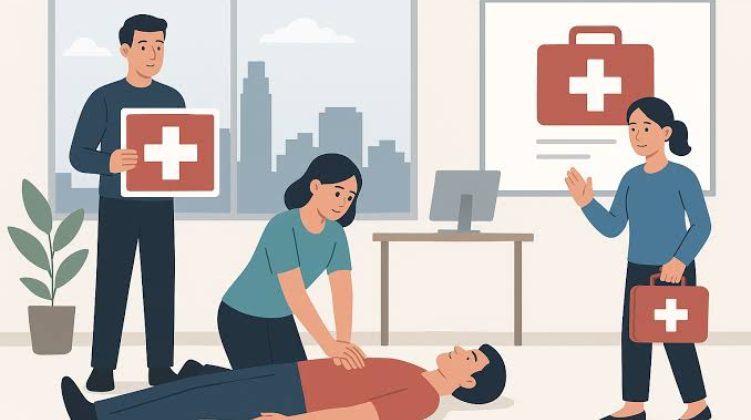
Cardiopulmonary resuscitation, commonly known as CPR, is an essential emergency response skill that employees should understand. Cardiac arrest can occur unexpectedly, and immediate action can improve a person’s chances of survival.
Employees trained in CPR learn how to recognise cardiac arrest, contact emergency services, and perform chest compressions. When an automatic external defibrillator is available, they also learn how to utilise it.
Workplaces with trained employees are better prepared to respond during the critical minutes before paramedics arrive. Regular refresher training is important because CPR recommendations and practical skills may change over time.
Managing Cuts, Bleeding, and Minor Injuries
Cuts, abrasions, and other minor injuries are common in workplaces involving tools, equipment, or manual handling. Improper treatment may raise the risk of infection or other problems, even though many injuries are quite mild.
Employees should understand how to apply direct pressure to control bleeding, clean minor wounds appropriately, and use suitable dressings. They should also recognise when an injury requires professional medical assessment.
For more serious bleeding, immediate emergency assistance may be necessary. Having accessible first aid supplies and employees who understand their proper use supports faster and more effective workplace responses.
Responding to Burns and Electrical Injuries
Burns can occur in kitchens, manufacturing facilities, workshops, and other workplaces where employees encounter heat, chemicals, or electrical equipment.
Workers should understand that different types of burns may require different responses. For ordinary thermal burns, cooling the affected area under cool running water for 20 minutes is an important first aid measure.
Electrical injuries require additional caution because the electrical source must be made safe before anyone approaches the injured person. Chemical exposures may require specific procedures based on the substance involved.
Learning these skills through first aid Hobart training can help employees avoid common treatment mistakes and respond more safely.
Handling Choking and Breathing Difficulties
Choking emergencies can happen in offices, restaurants, construction sites, and other workplaces. An employee may suddenly become unable to speak, cough effectively, or breathe normally because of an airway obstruction.
Recognising the difference between mild and severe choking is essential. Trained employees learn appropriate first aid responses, including back blows and chest thrusts when indicated under Australian first aid guidance.
Employees should also recognise breathing difficulties associated with asthma attacks or severe allergic reactions. Knowing how to assist someone with their prescribed emergency medication, when appropriate, can be particularly valuable.
Supporting Employees Experiencing Shock or Fainting
Fainting, severe injuries, and medical emergencies can sometimes lead to reduced circulation or shock. Employees should recognise symptoms such as pale skin, weakness, confusion, or unusual sweating.
Providing reassurance, contacting emergency services when required, and positioning the affected person appropriately can help while professional assistance is arranged.
Workers should avoid moving someone unnecessarily when a serious injury is suspected. Understanding these precautions helps prevent additional harm during emergency situations.
Creating a Workplace Culture That Prioritises Safety
First aid knowledge becomes more valuable when it is supported by a strong workplace safety culture. Employers should maintain accessible first aid kits, identify trained first aid personnel, and establish clear emergency procedures.
Regular safety discussions and practical emergency exercises can help employees remember important response steps. Businesses should also assess workplace hazards to determine their first aid requirements and ensure appropriate training arrangements are maintained.
Encouraging employees to participate in recognised first aid training demonstrates a commitment to workplace wellbeing and shared responsibility.
Conclusion
First aid skills are valuable for employees working in every industry, from offices and retail stores to construction sites and hospitality businesses. Understanding CPR, bleeding control, burns, choking, and medical emergencies helps workers respond confidently when unexpected situations arise.
By investing in practical training, maintaining emergency supplies, and encouraging safety awareness, Hobart workplaces can create environments where employees are better prepared to protect themselves and support their coworkers during emergencies.